



Baby nest or mini-crib: which is the best option?
When we are preparing for a baby's arrival, many new purchases come up and, with them, many questions.
One of the most common during the first few months is the difference between a baby nest and a mini-crib.
At first glance, they may seem like two options designed to keep the newborn comfortable and snug, but they serve different purposes and should not be used in the same way.
The fundamental difference is simple: the mini-crib can serve as a space intended for the baby's sleep, while the nest is a padded space for moments of wakefulness, calm, or supervised rest.
That is why we do not necessarily have to think about choosing one or the other. Depending on the needs of each family, they can even serve complementary purposes.
Let's see how they differ and when each one can be useful.

What is a baby nest?
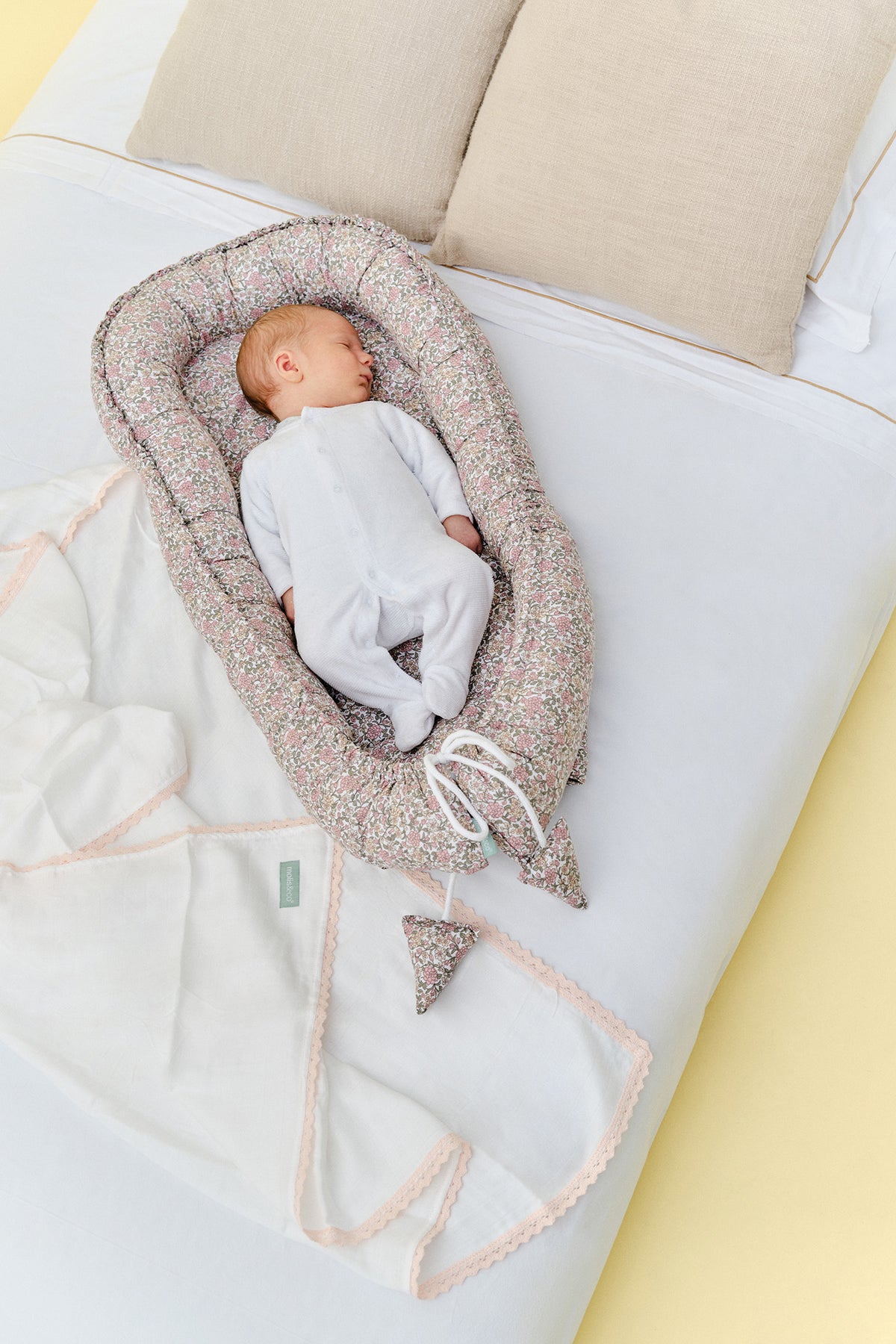
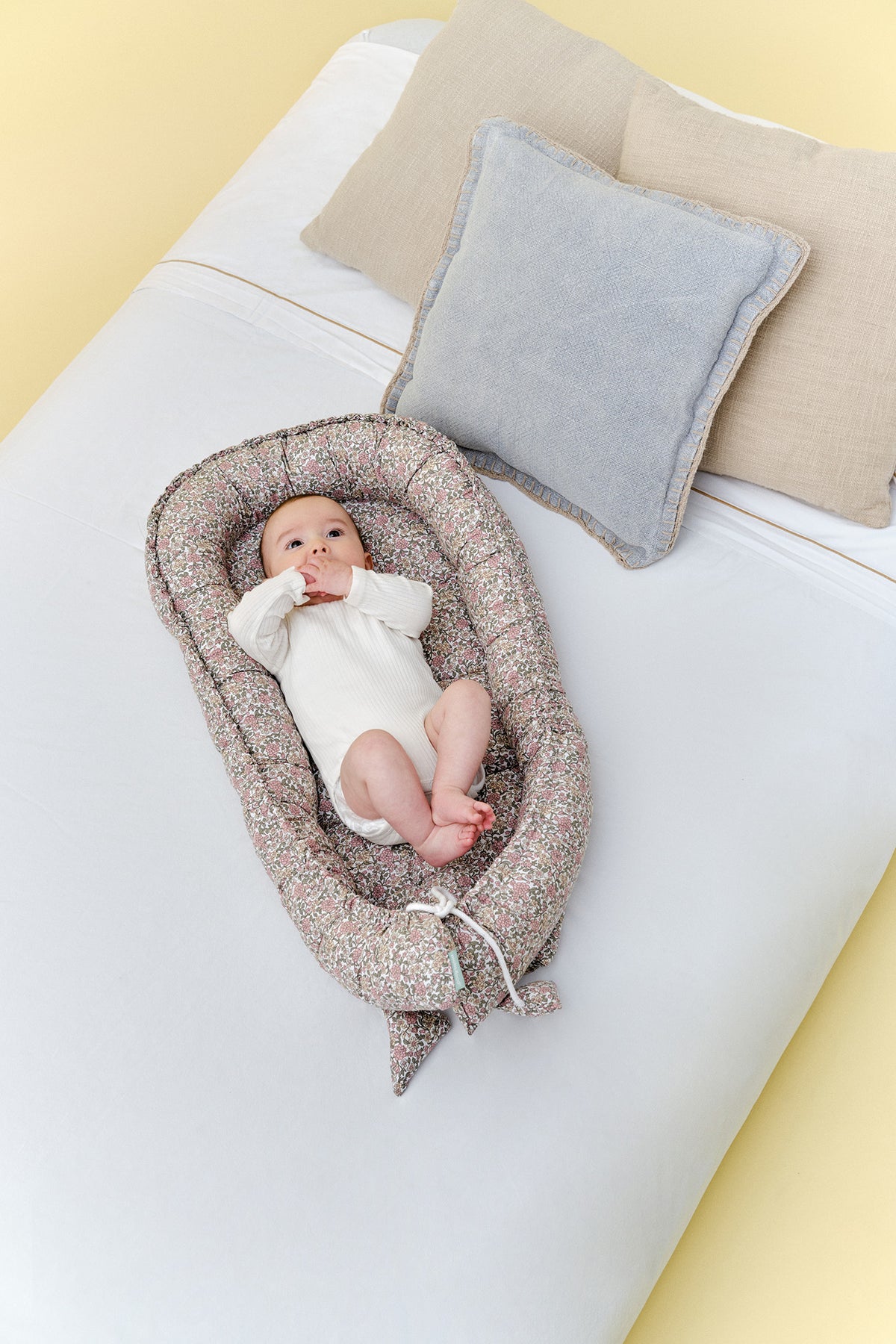
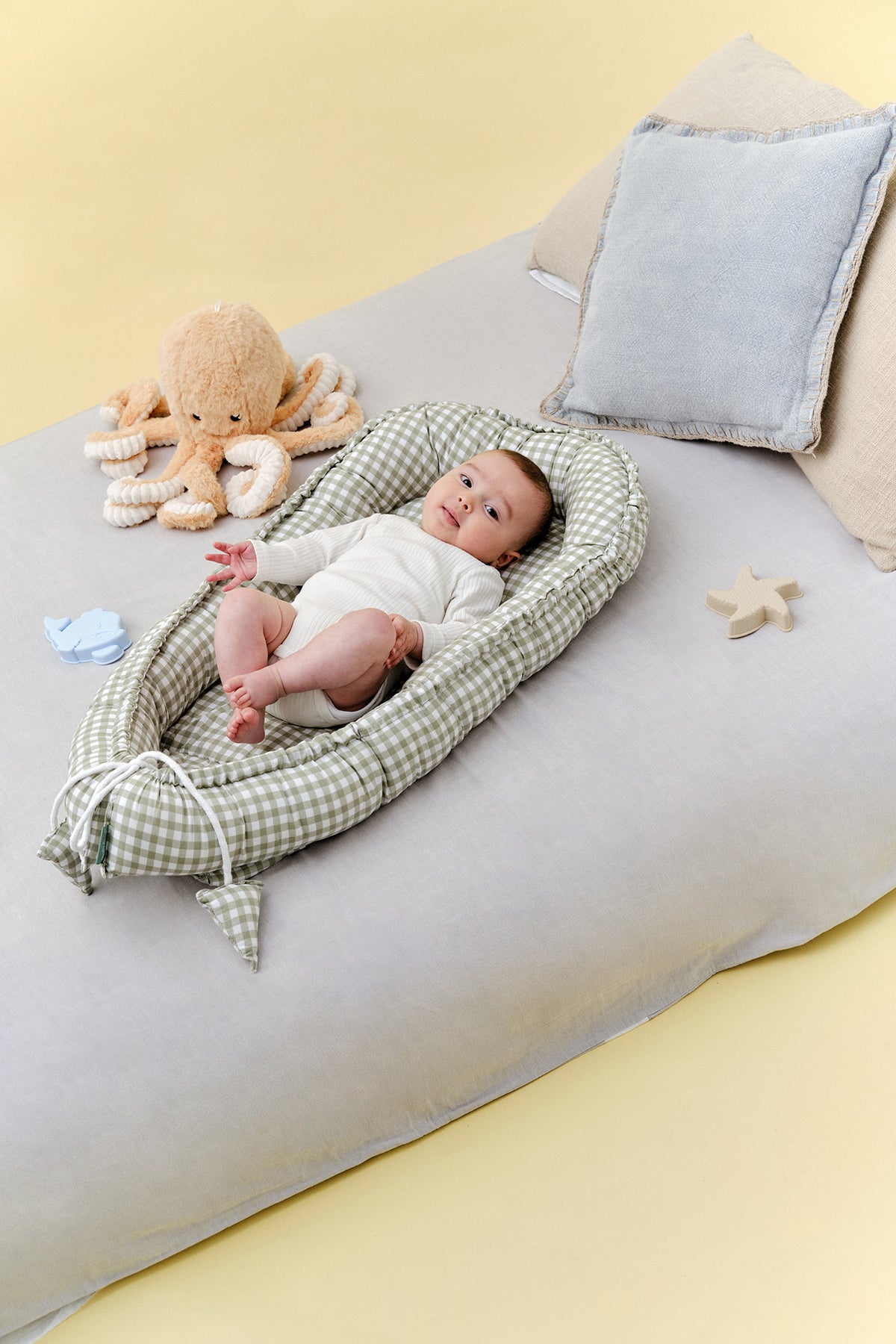
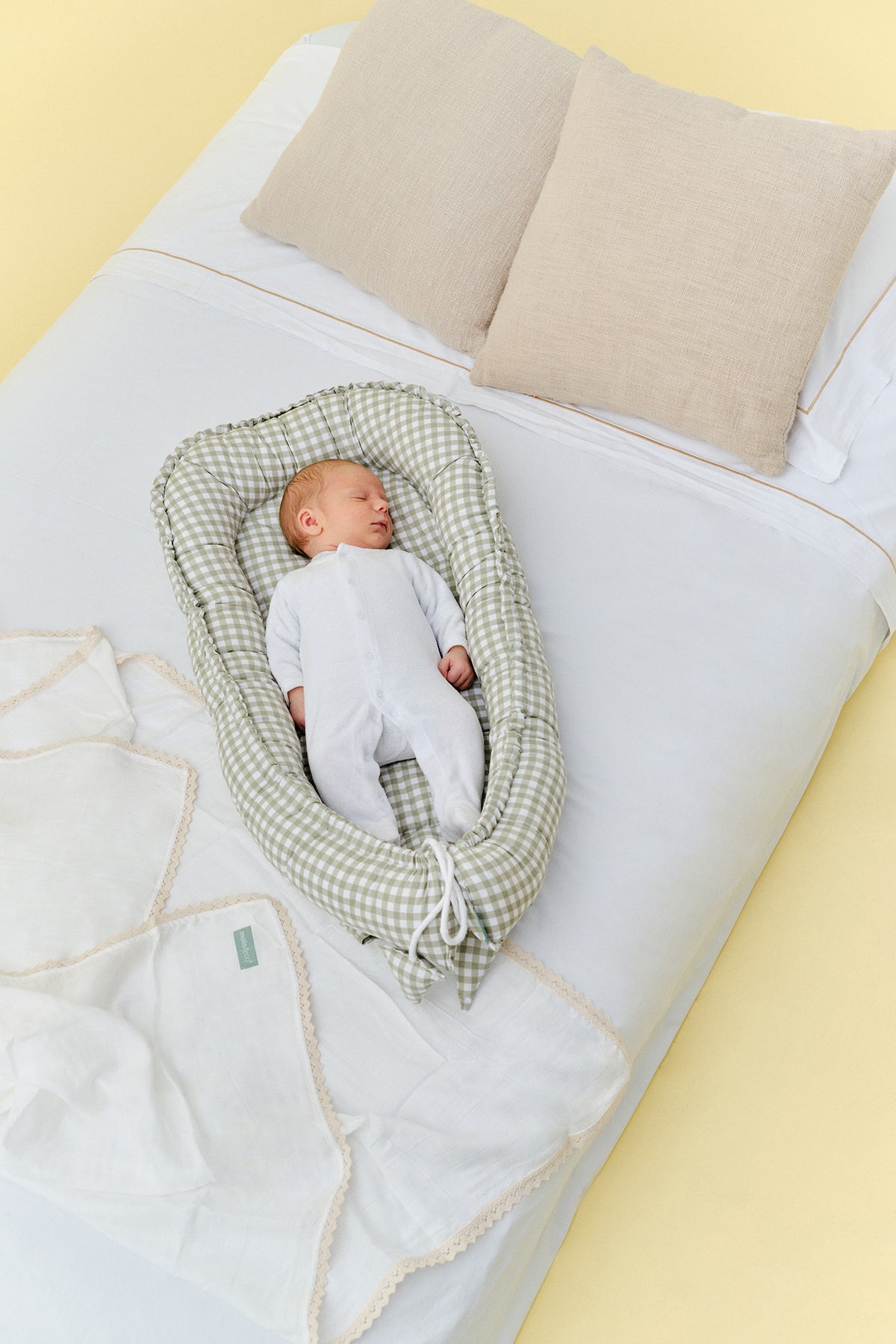
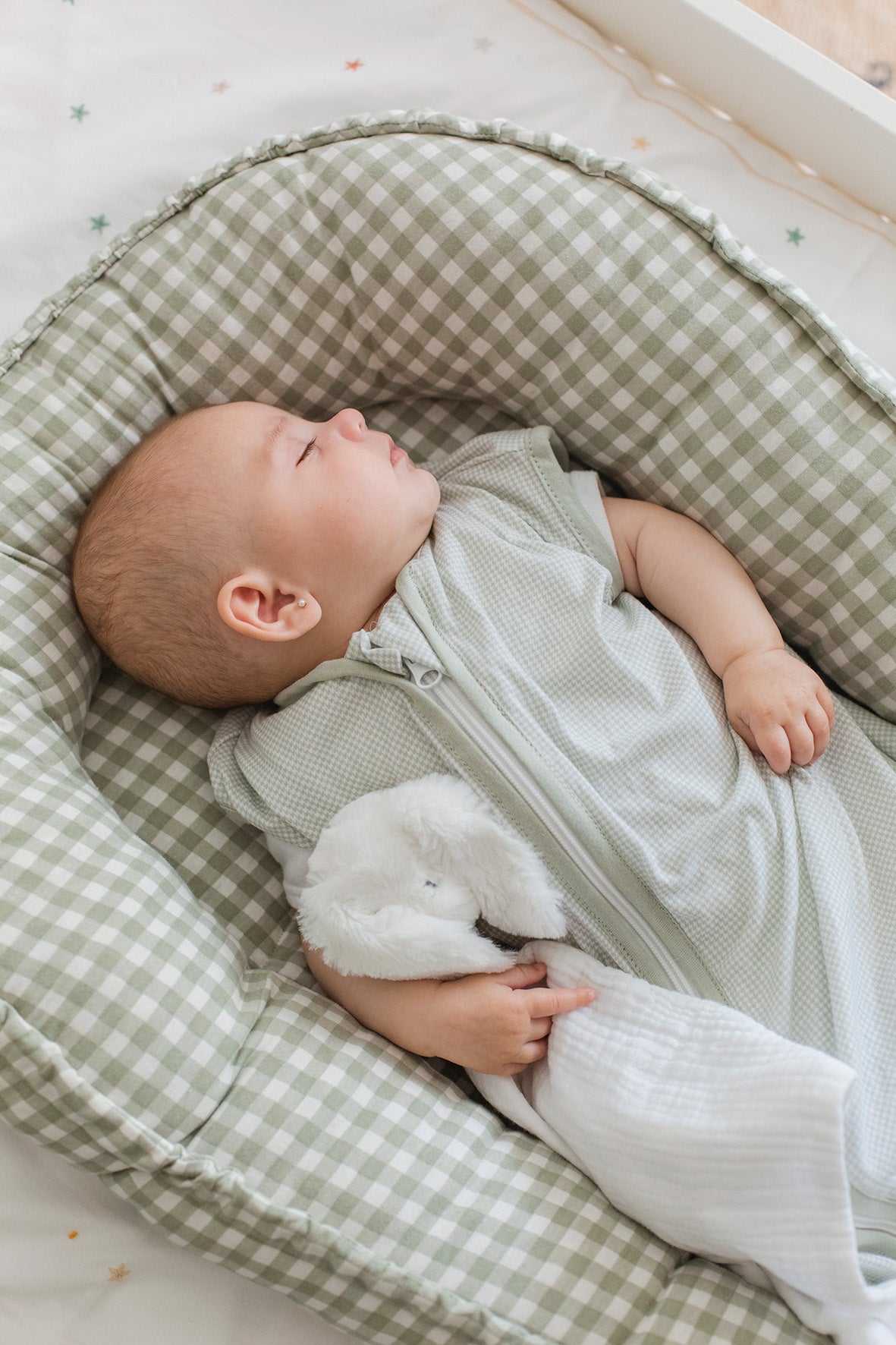
A baby nest is a padded, enclosed surface with soft side edges, designed to create a small, comfortable space during the baby's first few months.
molis&co nests also feature side ties that allow you to adjust their size and make them easy to move from one room to another.
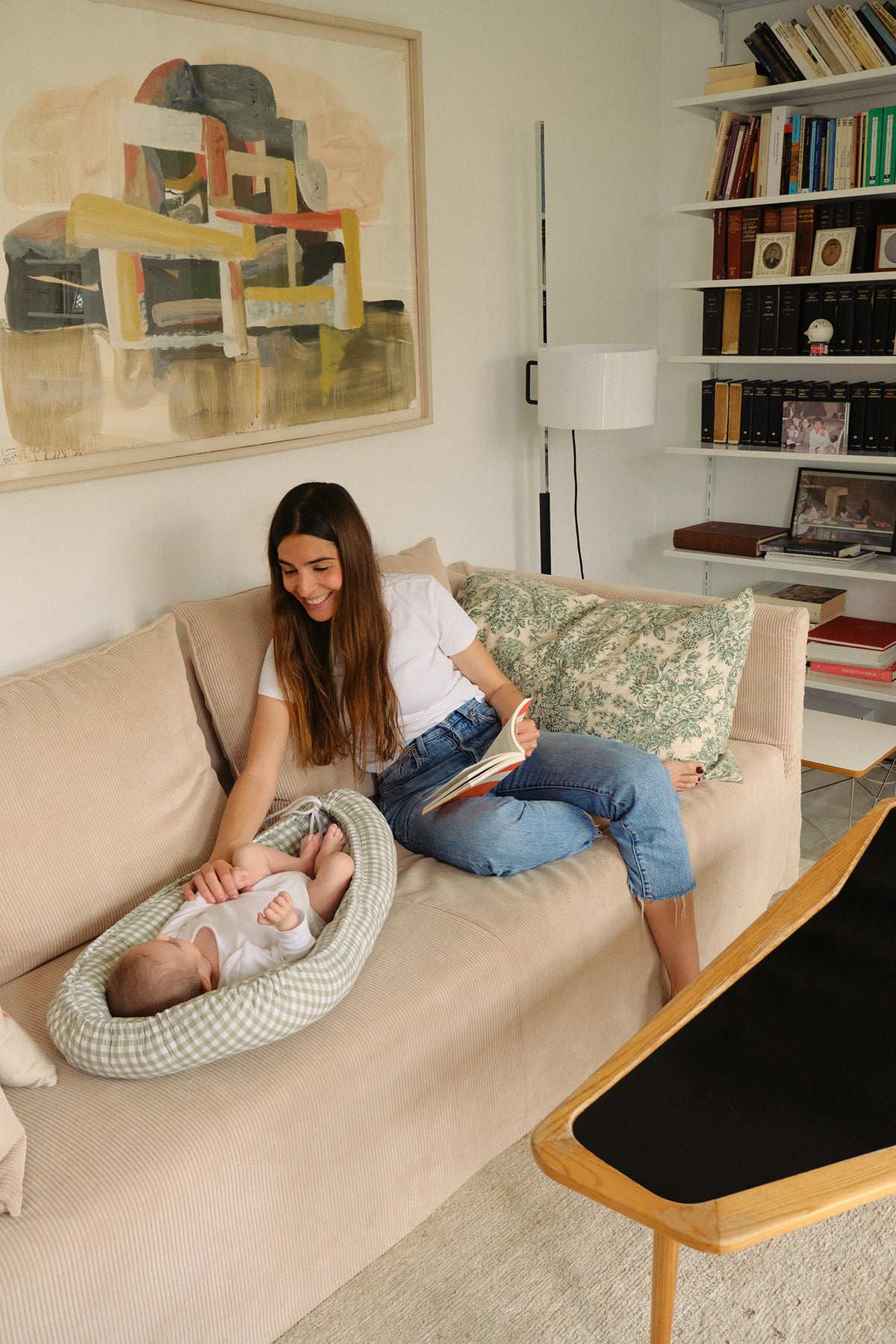
This makes them especially practical during those moments when you want to keep your baby close while they are awake, calm, or resting under your supervision.
For example, you can place it near you while you are in the living room or take it with you when you go to spend the day at your grandparents' house.
The important thing to remember is that a nest is not a substitute for a safe sleep surface.
If you want to learn more about this product, you can read our guide on what a baby nest is, what it is used for, and how to use it safely.
What is a mini-crib?
A mini-crib is a small bed designed for a baby's first few months.
It is usually more compact than a conventional crib, so many families initially place it in their bedroom.
Its main purpose is to provide a dedicated sleep space, with a flat, firm surface adapted to a newborn's size.
It can be especially practical when you do not yet want to set up a large crib or when you need your baby to sleep near your bed during their first few months.
Unlike a nest, a mini-crib is not designed to be moved around the house continuously or used as a play area.
Its main purpose is sleep.
Main differences between a baby nest and a mini-crib
Although both products can be used during a baby's first few months, their uses are quite different.
Baby nest
- Designed for supervised moments of wakefulness, calm, or rest
- Padded with soft edges
- Very easy to move
- Can be used in different rooms
- Always used under supervision
Mini-crib
- Designed mainly for sleep
- Firm mattress and flat surface
- Usually stays in one place
- Used mainly as a sleep space
- Can be used for sleep following safety recommendations






Function and use of each
This is the most important difference.
The nest works as a small daytime support space.
It can be useful when the baby is awake and calm or after a feeding while you stay close by.
The mini crib has a different function: to provide a space prepared for sleep.
Safe sleep recommendations advise placing the baby on their back on a firm, flat, and clear surface, without cushions, pillows, bumpers, or other soft items around.
Portability
The nest has a clear advantage here.
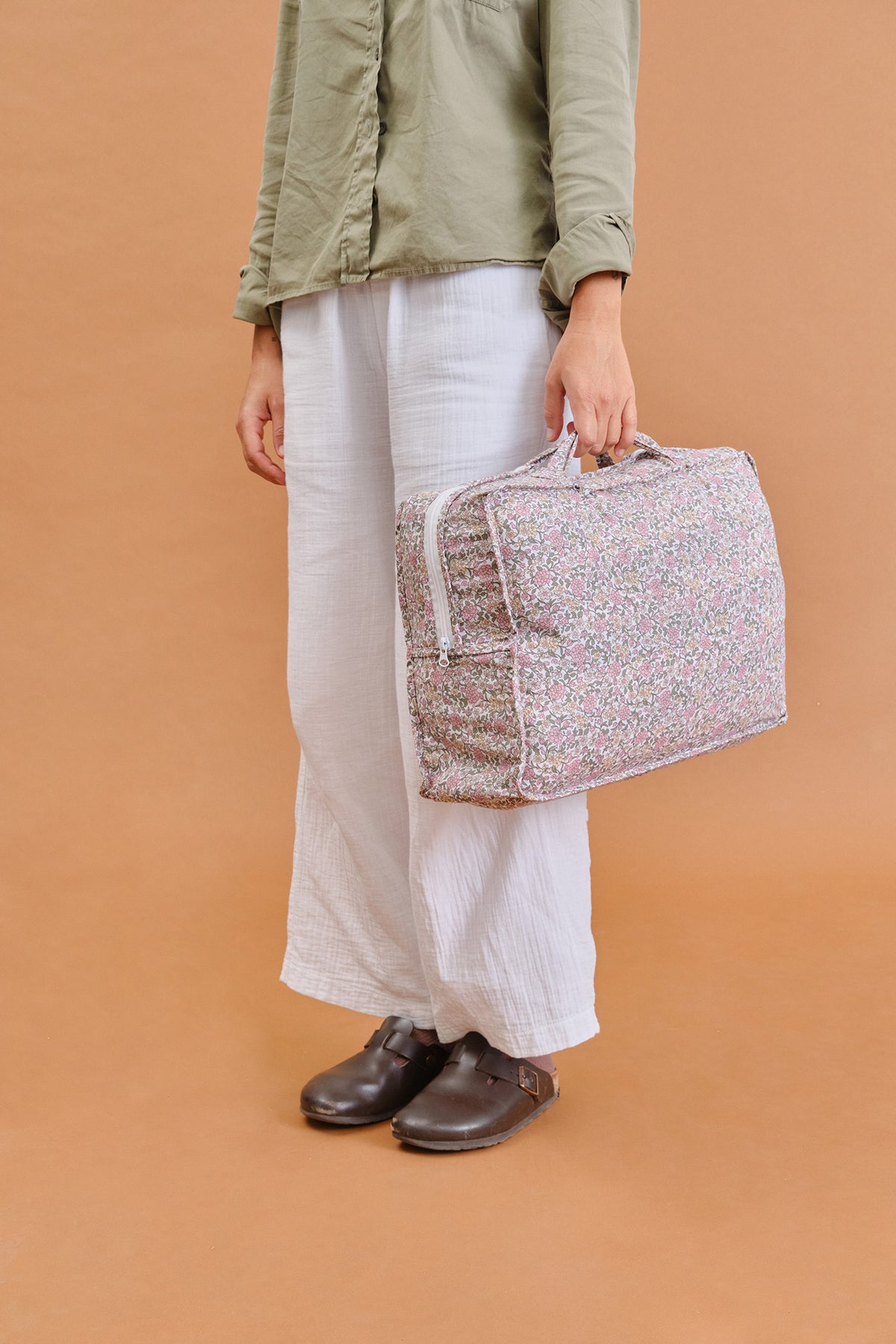
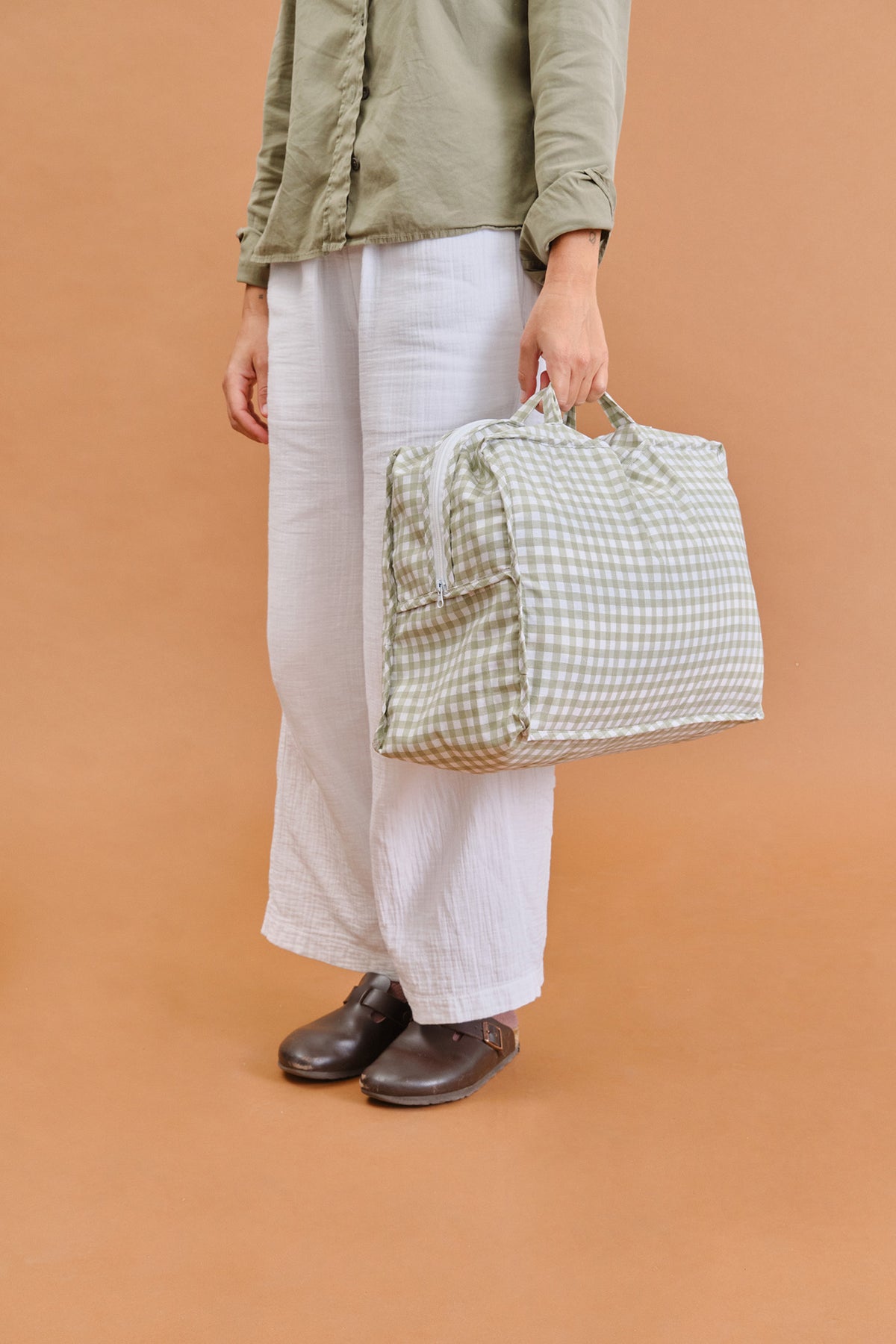
You can easily move it from one room to another, take it to a family member's home, or store it when you don't need it.
A mini crib, although some models include wheels, is a much bulkier piece of furniture.
If you are looking for something easy to move inside or outside the home, the nest is more practical.
Comfort and cozy feeling
During the first few months, some babies seem to feel especially calm when they are in more enclosed spaces.
The padded sides of the nest create precisely that feeling of a small, defined space.
The molis&co baby nests are designed to offer a soft and cozy place during those supervised moments. Currently, you will find models such as Mint Tea, Dusty Rose, Peony, or Colima.
The mini crib is also smaller than a conventional crib, but it must maintain a clear and firm sleeping surface.
Time of use
Both products usually concentrate their usefulness especially during the first few months.
In the case of the mini crib, the time to stop using it depends on the manufacturer's instructions, as well as the baby's weight, height, and development.
When they start to push up, sit up, or exceed the limits set for the product, it is usually time to move to a crib.
Something similar happens with the nest.
As the baby starts to roll over, move around, and need more space, a baby play mat may be more suitable to encourage free movement while awake.


When is it best to choose a baby nest?
A nest can be especially practical if you are looking for a comfortable, easy-to-move space to keep your baby company during different times of the day.
For example:
- While they are awake next to you in the living room.
- After a feed while they remain calm.
- During short moments of play.
- When you visit someone else's home.
- When you want to have a familiar, easy-to-move area.
It can also help create a sense of continuity when you change rooms or environments.
Your baby can find themselves back on a familiar surface even if you are in a different place.
If you would like to learn more about this type of use, you can also read our article on the role of nests during your baby's first few months.
When might a mini-crib be a better choice?
A mini-crib makes sense mainly when you are looking for a sleep space for your newborn.
It can be especially practical if:
- You want your baby to sleep in your room during their first few months.
- You do not yet have enough space to set up a large crib.
- You are looking for a surface specifically designed for rest.
- You prefer to transition from the mini-crib to a crib later on.
When it comes to sleep, the difference compared to a nest is fundamental.
Current safe sleep recommendations state that babies should sleep on a firm, flat, and clear surface, such as a suitable crib or Moses basket. Nests and padded surfaces are not recommended as sleep spaces.
In our guide on safe baby sleep, you will find more recommendations on positioning, sleep surfaces, bedding, and temperature.
Can both be used together?
Yes, because they serve different purposes.
A family can use:
the mini-crib for naps and nighttime sleep
and the nest during awake moments and supervised rest throughout the day.
For example, your baby sleeps in their mini-crib at night.
In the morning, you can take the nest into the living room and place it nearby while your baby is awake and calm.
Later on, as they start wanting to move around more, you can gradually transition these moments to a play mat.
Therefore, it is not necessarily a matter of one being better than the other.
The most useful question is:
What do I want to use it for?
If you are looking for a place for your baby to sleep, you will need a surface designed for safe sleep.
If you are looking for a small, portable space to use while your baby is awake and supervised, a nest can be practical.
Factors to consider before deciding
Before buying one product or the other, think about what your daily life will really be like.
Available space at home
If you have limited space in the bedroom, a mini-crib may be easier to incorporate than a conventional crib during your baby's first few months.
On the other hand, if you want to move your baby with you between different rooms, the nest takes up very little space and can be easily stored.
They do not meet exactly the same need.
Family lifestyle
Do you spend a lot of time away from home?
Do you regularly visit grandparents?
Do you want something that is easy to carry between rooms?
In that case, the portability of the nest can be especially useful.
If your priority is to set up a stable space for nighttime, the mini-crib will carry much more weight in your decision.
Your baby's needs
You will also need to adapt the products as your baby grows.
During the first few weeks, they may enjoy spending quiet moments in a more enclosed space.
Later on, they will want to stretch their arms and legs, roll over, and start discovering movement.
Then the floor will begin to take center stage.
You can complement this stage with a baby play mat and let them gradually explore their body and their surroundings.
We tell you more about this in our article on the benefits of floor play.
So, a baby nest or a mini-crib?
It depends on what you need.
If you are looking for the place where your baby will sleep, the mini-crib—or a suitable crib—is the option designed for that purpose.
If you are looking for a small, padded, and portable space for supervised moments during the day, a nest can be a practical addition.
And you do not necessarily have to choose between the two.
They can be part of different moments in your routine.
The important thing is to use each product for what it is designed for and adapt the environment as your baby grows.
You can discover our baby nests, available in different designs and with adjustable sides to keep you company during those first few months.
Because very often the best choice is not to find a product that works for absolutely everything.
It is knowing what your baby needs at every moment.
Frequently Asked Questions
Does a baby nest replace a mini-crib?
No. They serve different purposes. A nest is intended for awake, calm, or supervised rest periods, while a suitable mini-crib is designed as a sleep space during the first few months.
Up to what age can a baby nest be used?
There is no universal age because it depends on the model, dimensions, and the baby's development. You should always follow the manufacturer's instructions. When they start to roll over or move around easily, they will gradually need more space to move.
Can a baby sleep through the night in a baby nest?
This is not the recommended use. For sleep, the baby should be placed on their back on a firm, flat, and clear surface intended for sleep, such as a suitable crib, mini-crib, or Moses basket. Cushioned surfaces and nests should not be used as substitutes for these spaces.
Which option is more practical for the first few months?
It depends on the use. For sleep, a mini-crib can be very practical due to its small size. To keep the baby close during awake and supervised moments or to move them from one room to another, the nest is easier to carry.
Can I place the nest inside the mini-crib or crib so the baby sleeps more snugly?
Not for sleep. The area intended for sleep must remain firm and clear, without adding nests, cushions, padded sleep aids, or other soft items. If you use a nest, do so during awake and supervised moments and following the manufacturer's instructions.


